Winter Flounder
Latest News and Resources
-
Report of the Quality Assurance/Quality Control Fish Ageing Workshop — 2026
-
2026 Summer Meeting Summary — August 2026
-
Winter Flounder Management Board Summer Meeting Presentations — August 2026
-
Winter Flounder Management Board Summer Meeting Final Supplemental Materials — August 2026
-
2026 Summer Meeting Supplemental Materials – August 2026
Latest News and Resources
-
Report of the Quality Assurance/Quality Control Fish Ageing Workshop — 2026
-
2026 Summer Meeting Summary — August 2026
-
Winter Flounder Management Board Summer Meeting Presentations — August 2026
-
Winter Flounder Management Board Summer Meeting Final Supplemental Materials — August 2026
-
2026 Summer Meeting Supplemental Materials – August 2026
-
Winter Flounder Management Board Summer Meeting Supplemental Materials — August 2026
-
2026 Summer Meeting Materials – August 2026
-
Winter Flounder Management Board Summer Meeting Materials — August 2026
-

Gulf of Maine (GOM)
Population Abundance
Unknown
Gulf of Maine (GOM)
Fishing Mortality
Overfishing not occurring
Southern New England/Mid-Atlantic
Population Abundance
Not overfished
Southern New England/Mid-Atlantic
Fishing Mortality
Overfishing not occurring
Current Status
Stock status based on 2025 management track assessment. GOM abundance indices relatively flat over time series with recent increases in overall biomass (2021-2024). The SNE/MA management track assessment indicates the stock not overfished and overfishing is not occurring. However, SNE/MA spawning stock biomass at record lows despite sustained low levels of fishing mortality. Recruitment has declined sharply since 1980s and remains near time series low. The change in overfished status, which occurred following the 2022 management track assessment, was due to a change in the recruitment time series used to estimate biological reference points, rather than an improvement in the stock. Research track assessments scheduled for both stocks for 2026.
-
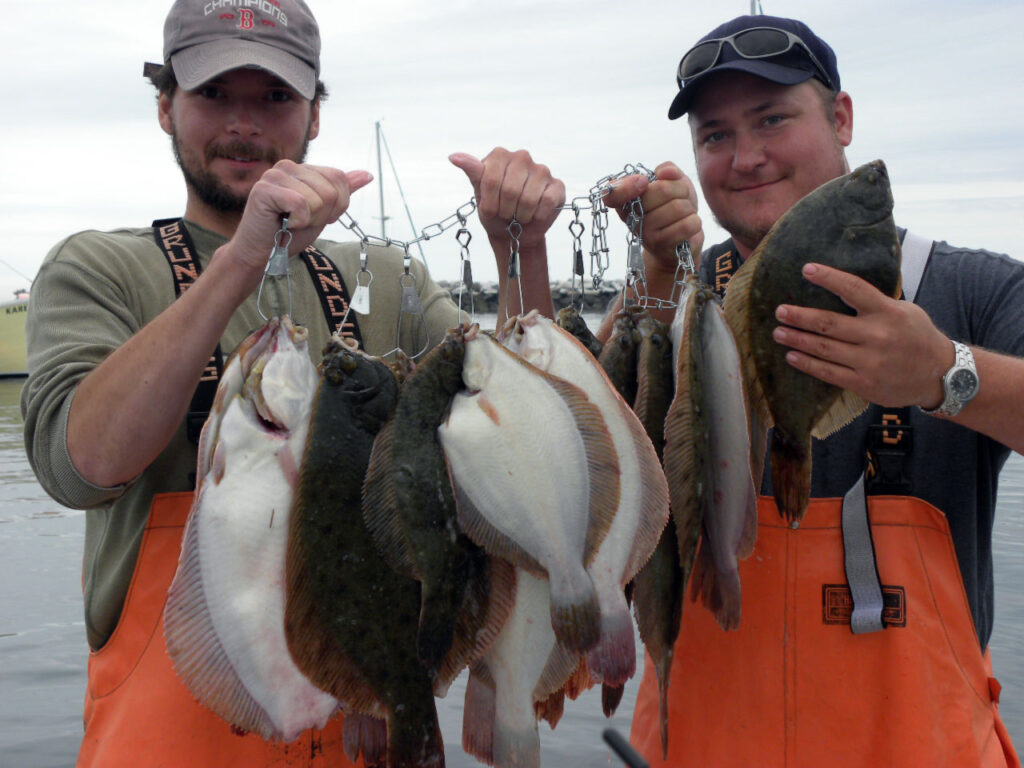
Winter flounder. Credit: Kevin Sullivan -
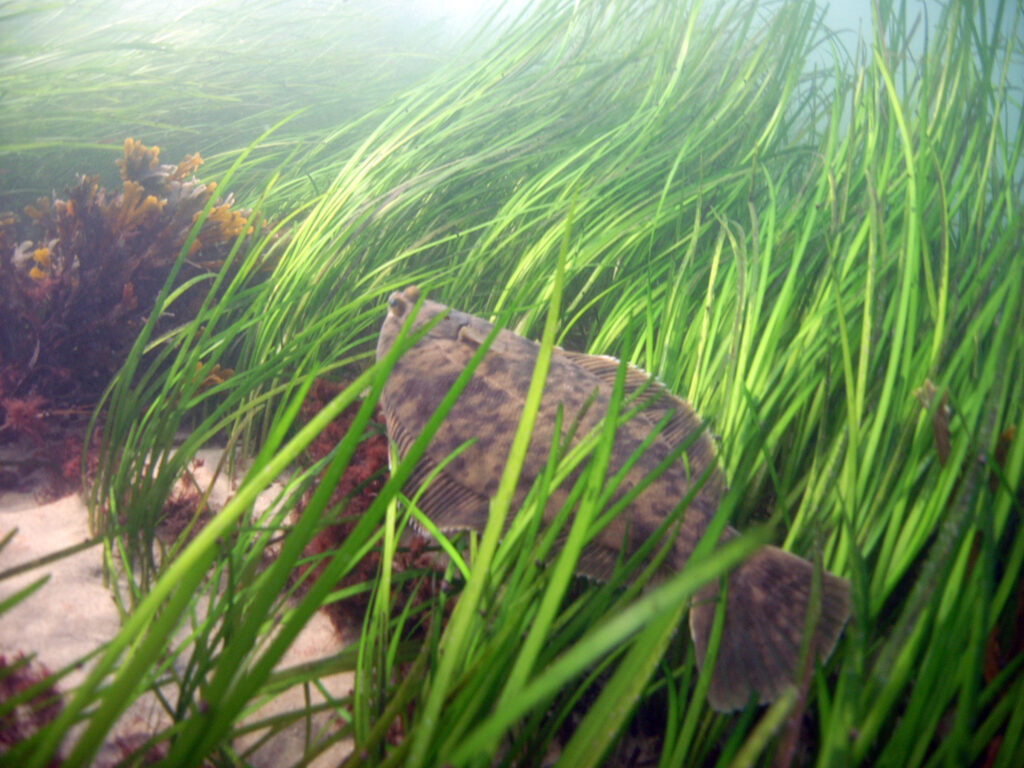
Winter flounder. Credit: seagrassli.org -
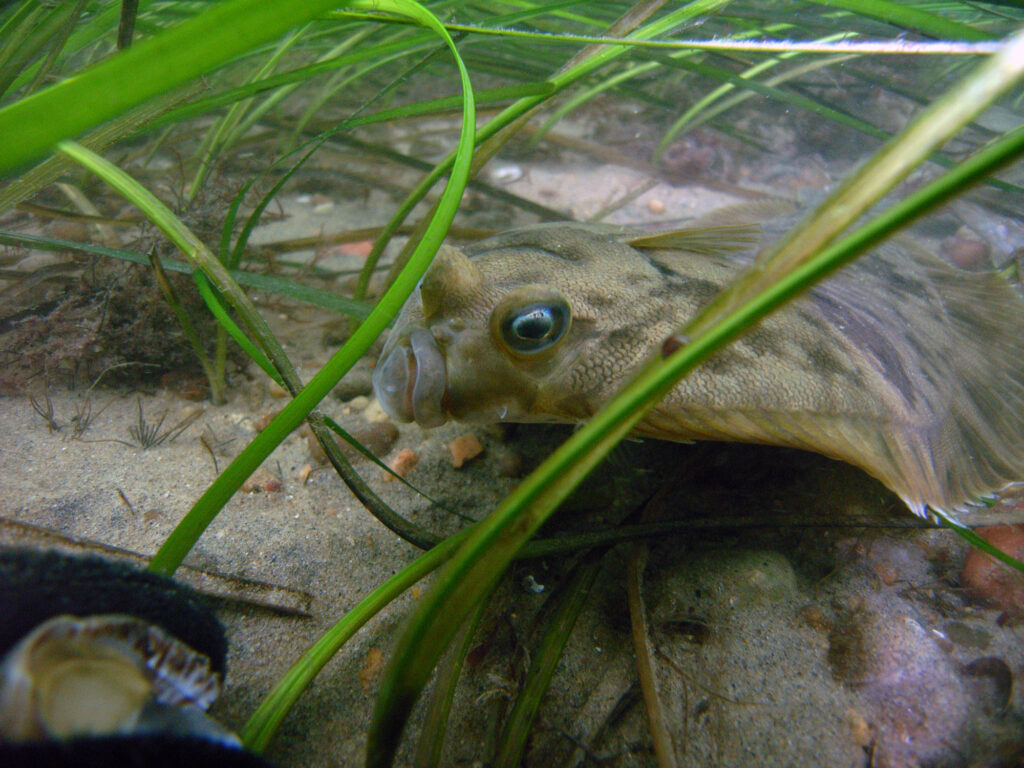
Winter flounder. Credit: seagrassli.org -
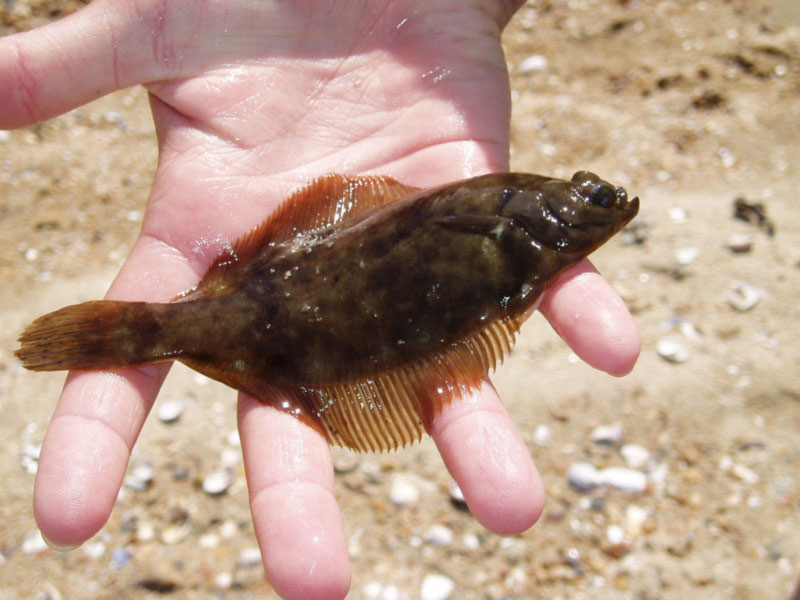
Winter flounder -
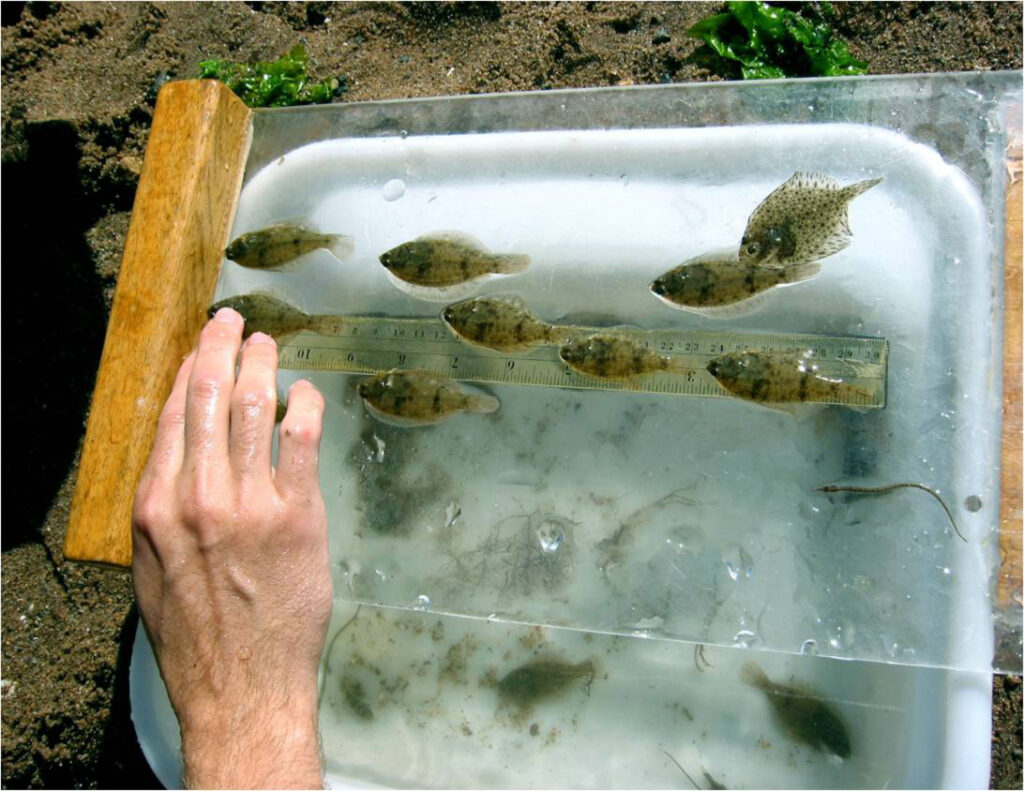
Winter flounder. Credit: Connecticut DEEP -
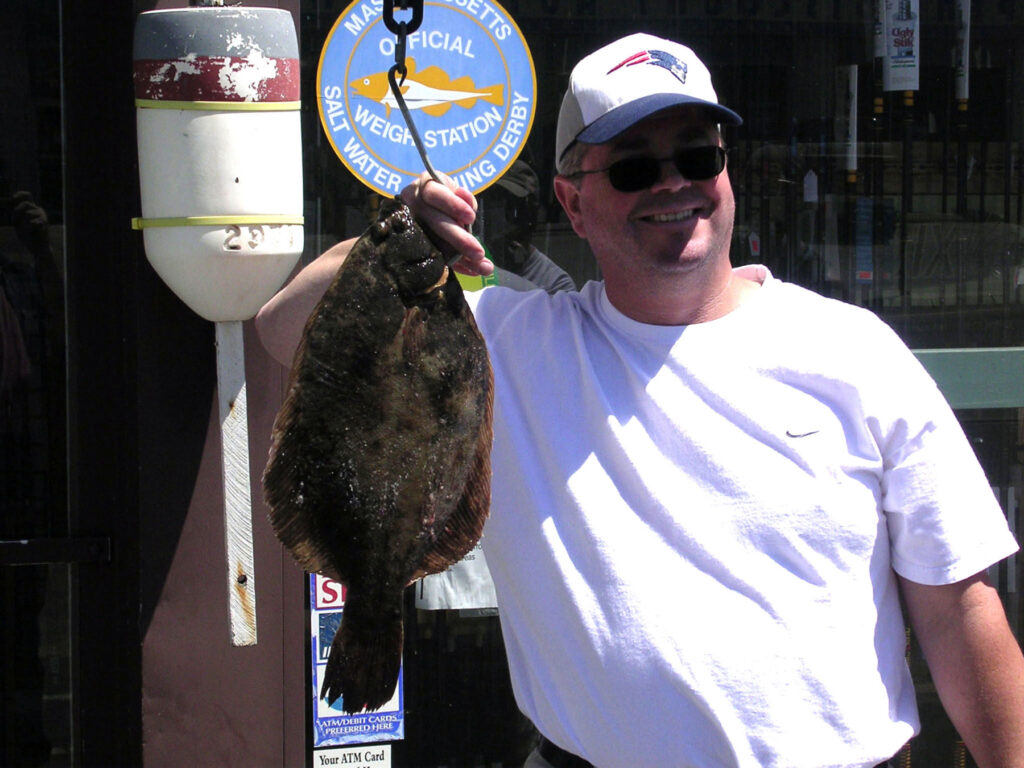
Winter flounder. Credit: Don McCukser -
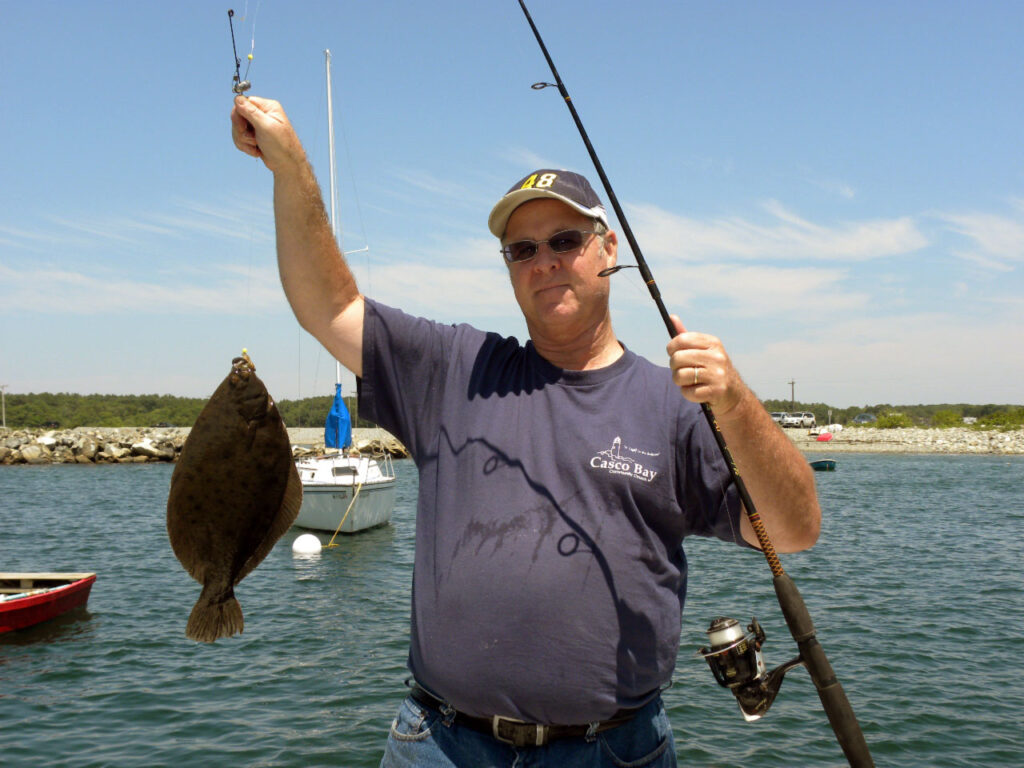
Winter flounder. Credit: Kevin Sullivan -
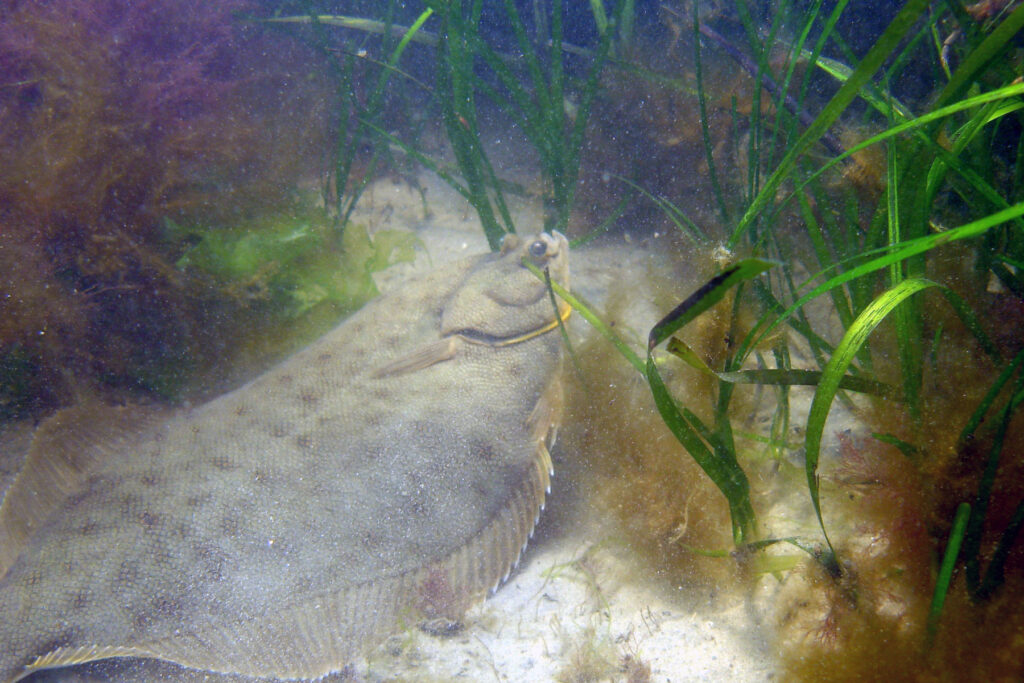
Winter flounder in habitat. Credit: Carl LoBue -
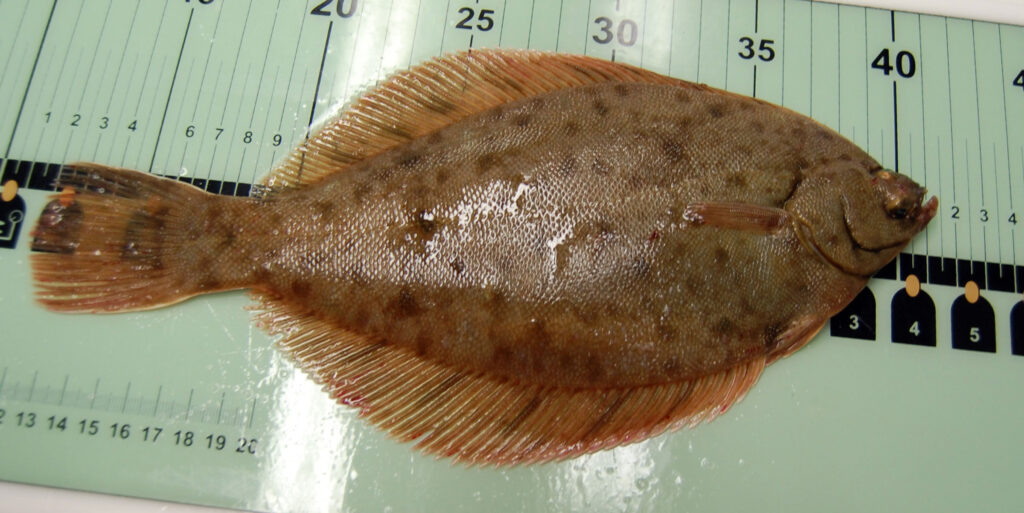
Winter flounder. Credit: UMASS
Meeting Calendar
Next Meeting
No events found
Contacts
- Tracey Bauer, FMP Coordinator (TBauer@asmfc.org)
- Management Board, Nicole Lengyel Costa, Chair
- Technical Committee, Richard Balouskus, Chair
- Advisory Panel, Harold Brown, Chair
Species Information
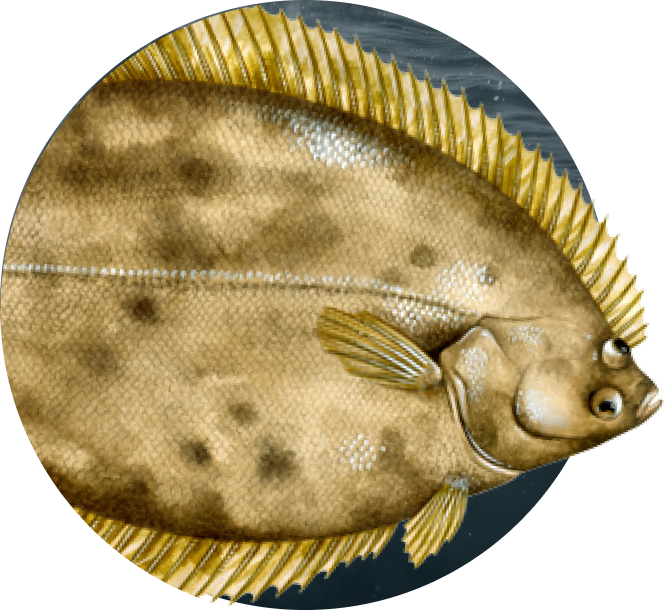
Winter flounder are a popular flatfish found along the Atlantic coast from Nova Scotia down to Florida, with the highest concentrations in the Mid-Atlantic region. Known for their ability to thrive in both inshore and offshore waters, winter flounder migrate seasonally to spawn in nearshore areas during the winter months. These fish play a significant role in both commercial and recreational fisheries, although their catches have declined sharply since the 1980s due to overfishing and habitat loss. In recent years, commercial landings have dropped to historic lows, while recreational fishing remains active but also faces challenges from high mortality rates. Managed with size limits, catch quotas, and protective regulations, efforts are ongoing to help winter flounder populations recover and ensure their sustainability for future generations of anglers and fishing communities.
Management
The Commission and the New England Fishery Management Council (NEFMC) cooperatively manage winter flounder with complementary management plans that regulate state and federal waters based on fisheries and the biology of winter flounder. The Council includes winter flounder as part of the Northeast Multispecies Fishery Management Plan (Groundfish FMP). Federal management focuses on the commercial fishery because the bulk of harvest in federal waters is from that sector.
The Commission’s Amendment 1 (2005) and Addendum I (2009) are designed to protect spawning females migrating to inshore spawning grounds because they are easily located and caught when congregated for spawning. Amendment 1 established a minimum size limit, shortened seasons, and lowered trip/bag limits to reduce fishing pressure on spawning fish and rebuild the spawning stock biomass to target levels. Amendment 1 complemented Amendment 13 and Framework 42 to the Groundfish FMP.
Based on the results of the 2008 benchmark stock assessment, which estimated the SNE/MA stock at 9% of the target biomass, the Winter Flounder Management Board (Board) initiated Addendum I, the Secretary of Commerce prohibited retention of SNE/MA winter flounder through interim action in federal waters, and the Council included measures to incorporate the assessment results into Amendment 16 to the Groundfish FMP (Amendment 16). Rather than prohibit possession, which would result in increased discard mortality and loss of fishery-dependent data, the Commission opted to establish bycatch-only possession limits for the SNE/MA stock in state waters. Addendum I limits recreational fishermen to 2 fish and commercial fishermen can land a maximum of 50 pounds (or 38 fish) in the SNE/MA; these regulations remain in place today. Addendum I also required states to reduce GOM recreational fishing mortality by 11% and established a 250 pound commercial trip limit.
The Board approved Addendum II (2012) to modify the commercial and recreational management requirements for the GOM stock. Specifically, the commercial trip limit was increased to 500 pounds per trip and the recreational season was expanded to encompass the entire year. In May 2013, the Board passed Addendum III for the GOM and SNE/MA fisheries in order to annually set commercial and recreational specifications. These specifications may be set for up to 3 years and may be revised if new information is released within the 3-year period.
In 2026, the Board reviewed 2026-2030 specifications for both the GOM and SNE/MA stocks that were approved in Framework Adjustment 72 by the NEFMC at their December 2025 meeting. For the GOM stock, the 2026-2030 sub-ACL was set at 1.4 million pounds, a slight increase from the 2025 sub-ACL of 1.3 million pounds. In addition, the state waters sub-component decreased by approximately 7% from 0.33 million pounds in 2025 to 0.21 million pounds for 2026-2030. For the SNE/MA stock, the sub-ACL was set to increase from 0.83 million pounds to 0.91 million pounds between 2026-2030, an overall decrease from the 2025 sub-ACL of 0.97 million pounds. The state waters sub-component also was set to increase from 0.55 million pounds to 0.61 million pounds between 2026-2030, an overall increase from the sub-ACL of 0.41 million pounds in 2025.
The NEFMC set specifications for the next five years because there is the possibility that management track assessments will not be able to be conducted as frequently as in years past due to a lack of resources. However, changes can always be made to these specifications if there is updated information. Please note ASMFC’s Addendum III only allows the Board to set state management measures for up to 3 years, so even if the NEFMC does not revisit these specifications in three years, the Board will still need to review management measures in three years. The Board did not alter winter flounder management measures for 2026-2028 in response to these specifications.
Stock Status
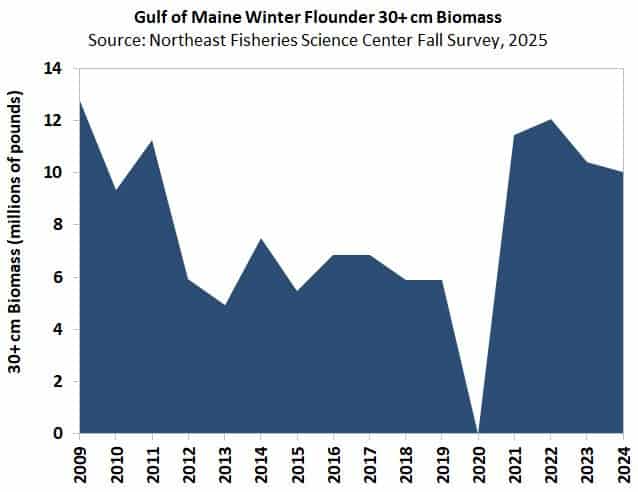
Based on the 2025 GOM management track assessment, the GOM stock biomass status is unknown and overfishing is not occurring. The 2024 30+ cm exploitation rate was estimated to be 0.044 which is 19% of the overfishing exploitation threshold proxy (0.23). Overall, indices of GOM winter flounder abundance have not demonstrated any positive response to the large declines in commercial and recreational removals since the 1980s. However, there have been recent increases in the overall biomass estimates (2021-2024), which, if they continue, could be the beginning of a positive response to the recent record low exploitation rates.
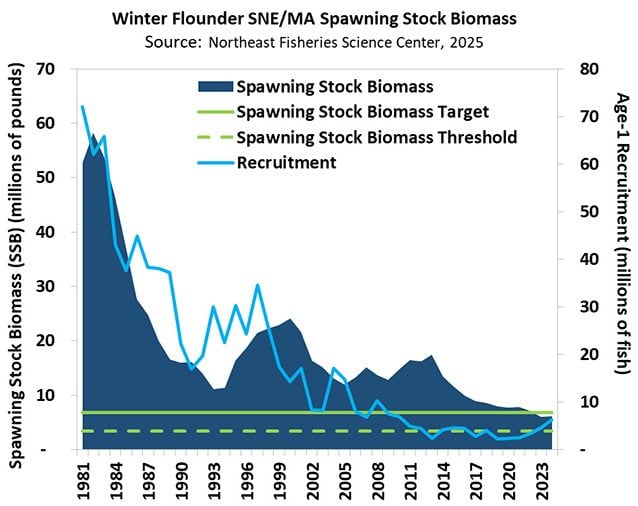
Based on the 2025 SNE/MA management track assessment, the SNE/MA stock is not overfished and overfishing is not occurring. However, SNE/MA stock biomass (SSB) has shown an overall declining trend, with the estimate in 2024 (2,787 mt) the second lowest value in the time series. The SNE/MA winter flounder stock is most likely not capable of achieving the high levels of recruitment prior to 2000; therefore, the assessment uses a truncated recruitment time series of only 2002-2024, which was deemed a better reflection of future stock productivity for biological reference point estimation. As a result, despite a stock status of not being overfished, the perception of the stock SSB and recruitment trends has not changed. Trends in survey indices and model estimates all continue to indicate the stock is in poor condition.
Commercial & Recreational Fisheries
The winter flounder commercial fishery was once a highly productive industry with annual harvests up to 40.3 million pounds. Since the early 1980s, landings have steadily declined. Winter flounder is managed as three stocks; Georges Bank (GBK), Gulf of Maine (GOM), and Southern New England/Mid-Atlantic (SNE/MA). Total commercial landings for all three stocks combined dipped to 3.5 million pounds in 2010.
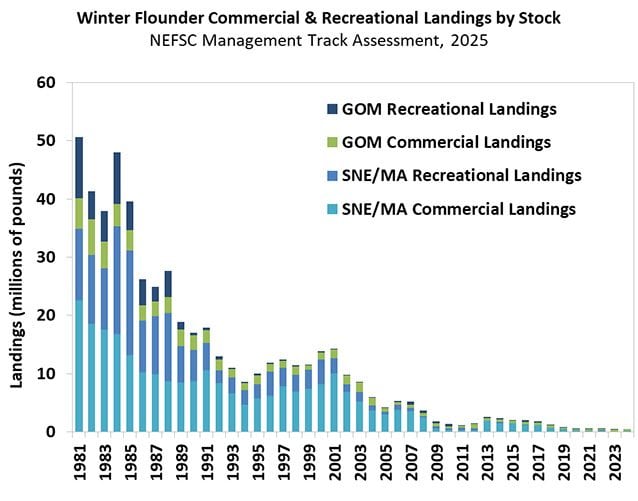
Landings have risen since 2010 due to increased quotas in 2011 and 2012 in the GOM stock, and the lifting of the SNE/MA moratorium in 2013 by NOAA Fisheries. The states, however, have maintained a restrictive commercial trip limit of 50 pounds and a recreational bag limit of two fish in state waters of SNE/MA. Total commercial landings for all stocks combined reached a low of 1.89 million pounds in 2024, an 130% increase from 2023 landings of 0.82 million pounds. Recreational landings peaked in 1982 at 16.4 million pounds and have since maintained a declining trend. In the 2024 fishing year, recreational harvest in GOM and SNE was 50,706 pounds and 4,409 pounds, respectively.
Life History
Winter flounder is an estuarine flatfish found in almost all shoal water habitats along the northwest Atlantic coast. The geographic distribution ranges from nearshore habitats to offshore fishing banks along the Atlantic coast of North America.
The name ‘winter’ flounder refers to their annual spawning migrations into nearshore waters in winter. Adults migrate in two phases; an autumn estuarine immigration prior to spawning, and a late spring/summer movement to either deeper, cooler portions of estuaries or to offshore areas after spawning. This pattern of seasonal distribution may change in colder waters at the northern extent of their range where winter flounder migrate to shallow waters in the summer and deeper waters in the winter. The annual spawning period varies geographically and although spawning periods overlap considerably, peak spawning times are earlier in southern locations.
During spawning, females release demersal (negatively or neutrally buoyant) adhesive eggs whose properties facilitate retention within spawning grounds. Many factors influence larval and juvenile growth and survival, including temperature, salinity, dissolved oxygen, and food availability. Nursery habitat for winter flounder larvae and juveniles is typically saltwater coves, coastal salt ponds, estuaries, and protected embayments; although larvae and juveniles have also been found in open ocean areas such as Georges Bank and Nantucket shoals. Larvae are predominantly found in the upper reaches of estuaries in early spring, moving into the lower estuary later in the season.
News & Resources
Explore recent news, management updates, and scientific reports to gain a deeper understanding of ongoing conservation efforts and sustainability strategies.
-
The objectives of the 2026 workshop were to: (1) Age samples collected and prepared from labs along the Atlantic coast for Atlantic menhaden, cobia, spot, striped bass, tautog, and winter flounder; (2) Identify areas of inconsistency that persist for processing or reading ageing structures; (3) Provide information on ageing error for each species to inform…
-
A summary of all the board meetings, press releases and motions from the 2026 Summer Meeting.
-
-
Update on Board Request for Information on Environmental Impacts to Winter Flounder Population Dynamics (R. Balouskus); Review New England Fishery Management Council’s Groundfish Specification Process (R. Frede, T. Bauer), Technical Committee Report (R. Balouskus) Possible Action, Potential Impacts of Increasing Bag Limit in Southern New England/Mid-Atlantic
-
Combined materials for all Boards convening at the ASMFC Summer Meeting
-
Update on Board Request for Information on Environmental Impacts to Winter Flounder Population Dynamics (R. Balouskus); Review New England Fishery Management Council’s Groundfish Specification Process (R. Frede, T. Bauer), Technical Committee Report (R. Balouskus) Possible Action, Potential Impacts of Increasing Bag Limit in Southern New England/Mid-Atlantic
-
Combined materials for all Boards convening at the ASMFC Summer Meeting
-
Update on Board Request for Information on Environmental Impacts to Winter Flounder Population Dynamics (R. Balouskus); Review New England Fishery Management Council’s Groundfish Specification Process (R. Frede, T. Bauer), Technical Committee Report (R. Balouskus) Possible Action, Potential Impacts of Increasing Bag Limit in Southern New England/Mid-Atlantic
-
At their February 2026 meeting, the Winter Flounder Management Board (Board) expressed interest in receiving additional information in the future regarding several topics. This memo provides an update for the Board from the Technical Committee (TC) on 1) information on research of environmental drivers that are hypothesized to limit stock rebound and 2) utilization of…
-
At the February 3, 2026 meeting, the Winter Flounder Management Board (Board) tasked the Winter Flounder Technical Committee (TC) with analyzing available data to assess the potential for increasing the daily bag limit in the recreational Southern New England/Mid-Atlantic (SNE/MA) winter flounder fishery. This task was in response to both public input and Board member…
-
Combined materials for all Boards convening at the ASMFC Spring Meeting
-
Combined supplemental materials for all Boards convening at the ASMFC Spring Meeting
Get Hooked on ASMFC News
Dive into the latest updates and catch all the important news by joining our newsletter mailing list. Stay in the loop with meeting agendas, fisheries management news, and more.