Spanish Mackerel
Latest News and Resources
-
2026 Summer Meeting Summary — August 2026
-
Coastal Pelagics Management Board Summer Meeting Presentations — August 2026
-
Coastal Pelagics Management Board Summer Meeting Supplemental Materials — August 2026
-
2026 Summer Meeting Materials – August 2026
-
Coastal Pelagics Management Board Summer Meeting Materials — August 2026
-
Population Abundance
Not overfished

Fishing Mortality
Overfishing not occurring
Current Status
Stock status based on 2022 stock assessment update. However, if the high fishing mortality rate seen in 2020 continues, the stock may fall into an overfishing status.
-

Chesapeake Spanish mackerel. Credit: Dean Mitchell -
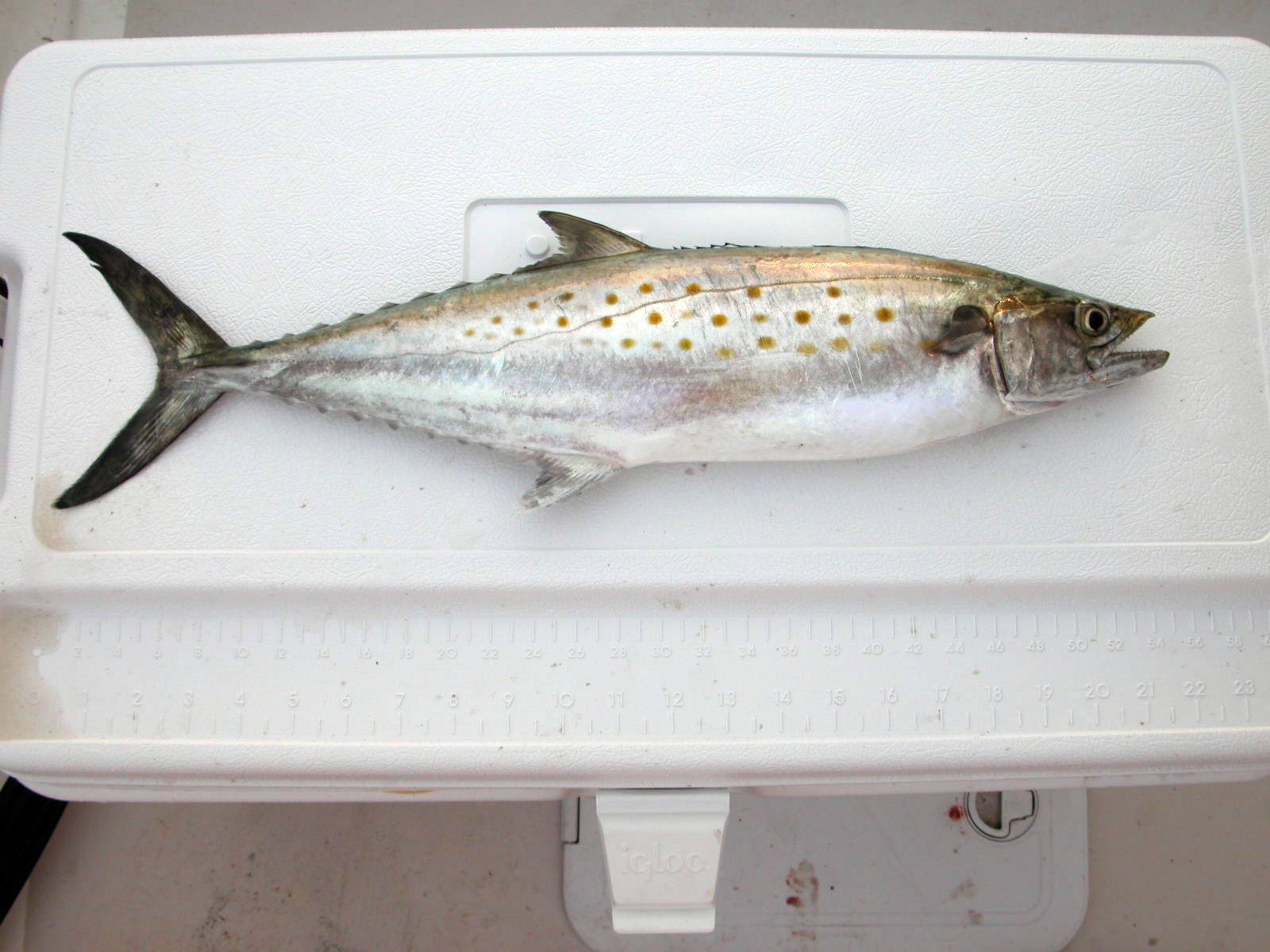
Spanish mackerel. Credit: Maryland Department of Natural Resources -
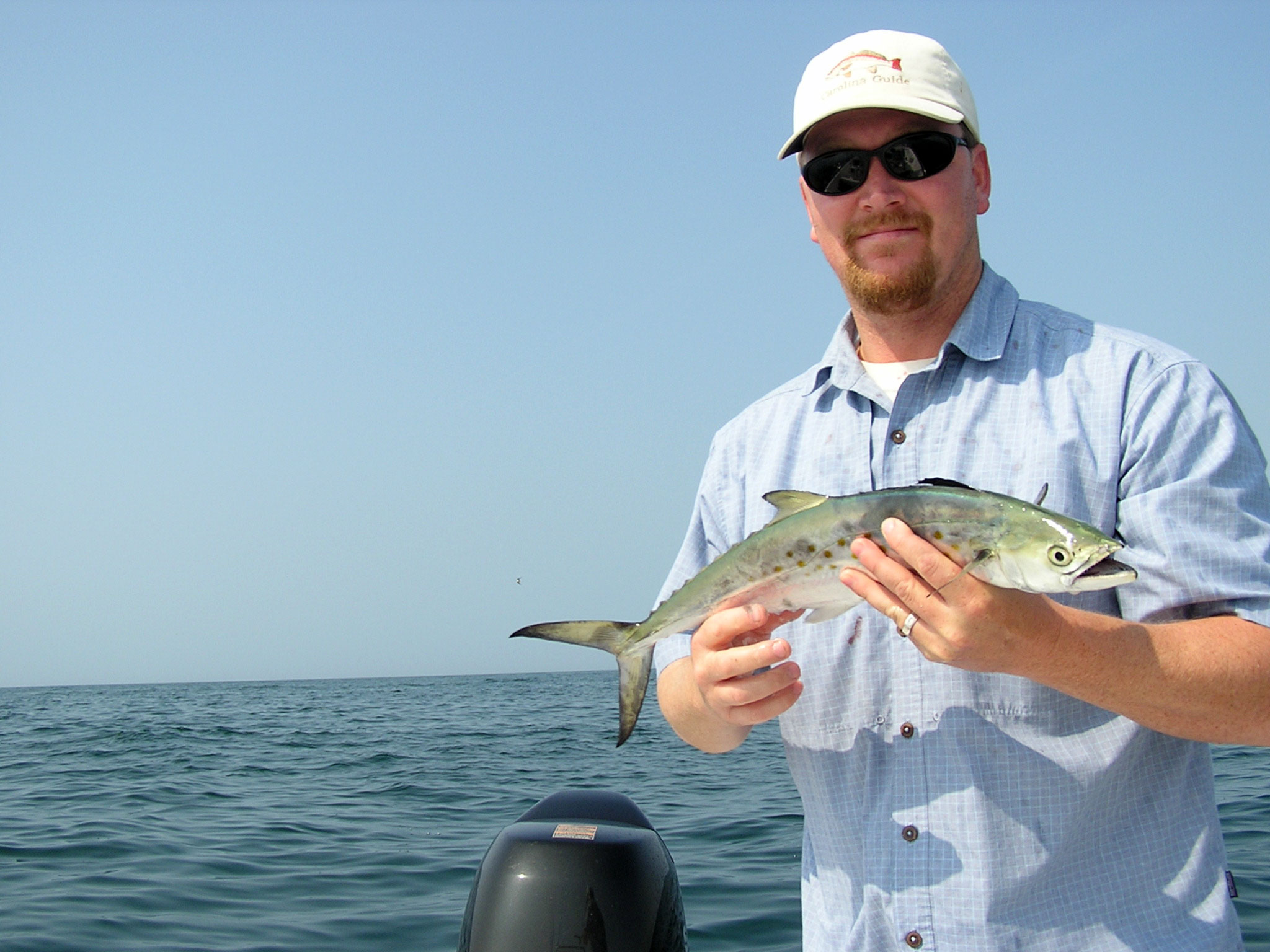
Spanish mackerel. Credit: Captain Walter Bateman -
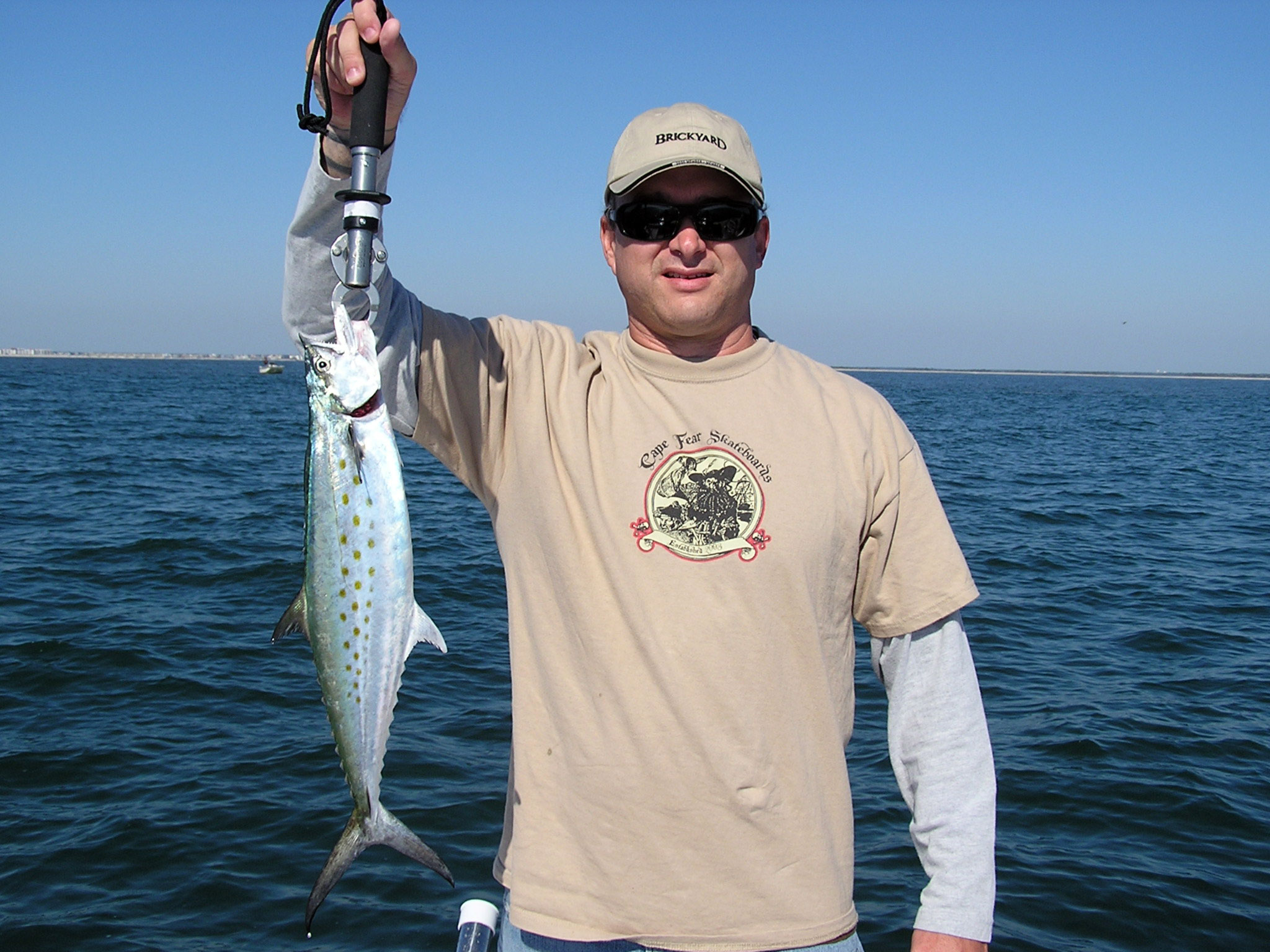
Spanish mackerel. Credit: Captain Walter Bateman -
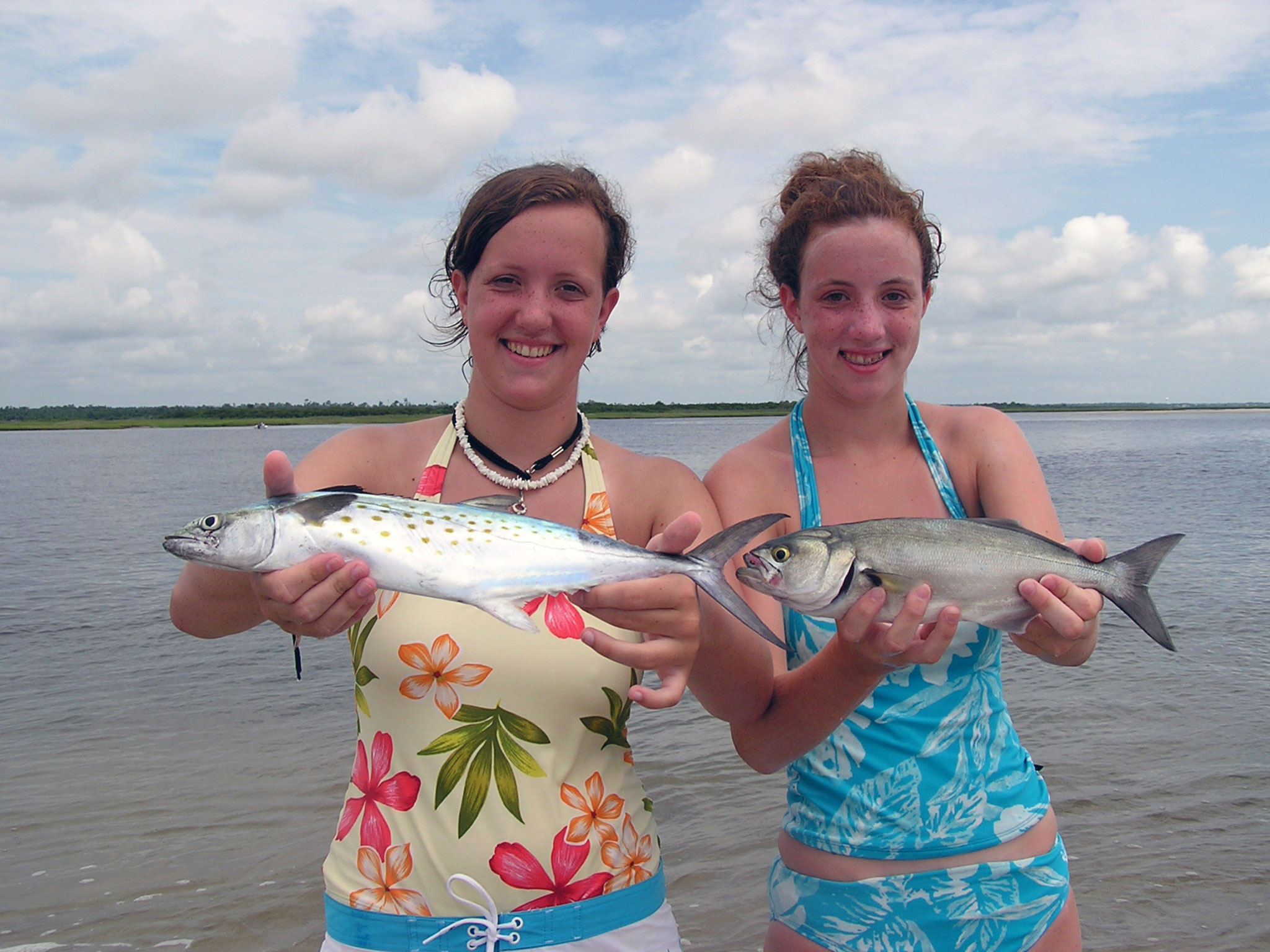
Spanish mackerel and bluefish. Credit: Captain Walter Bateman -
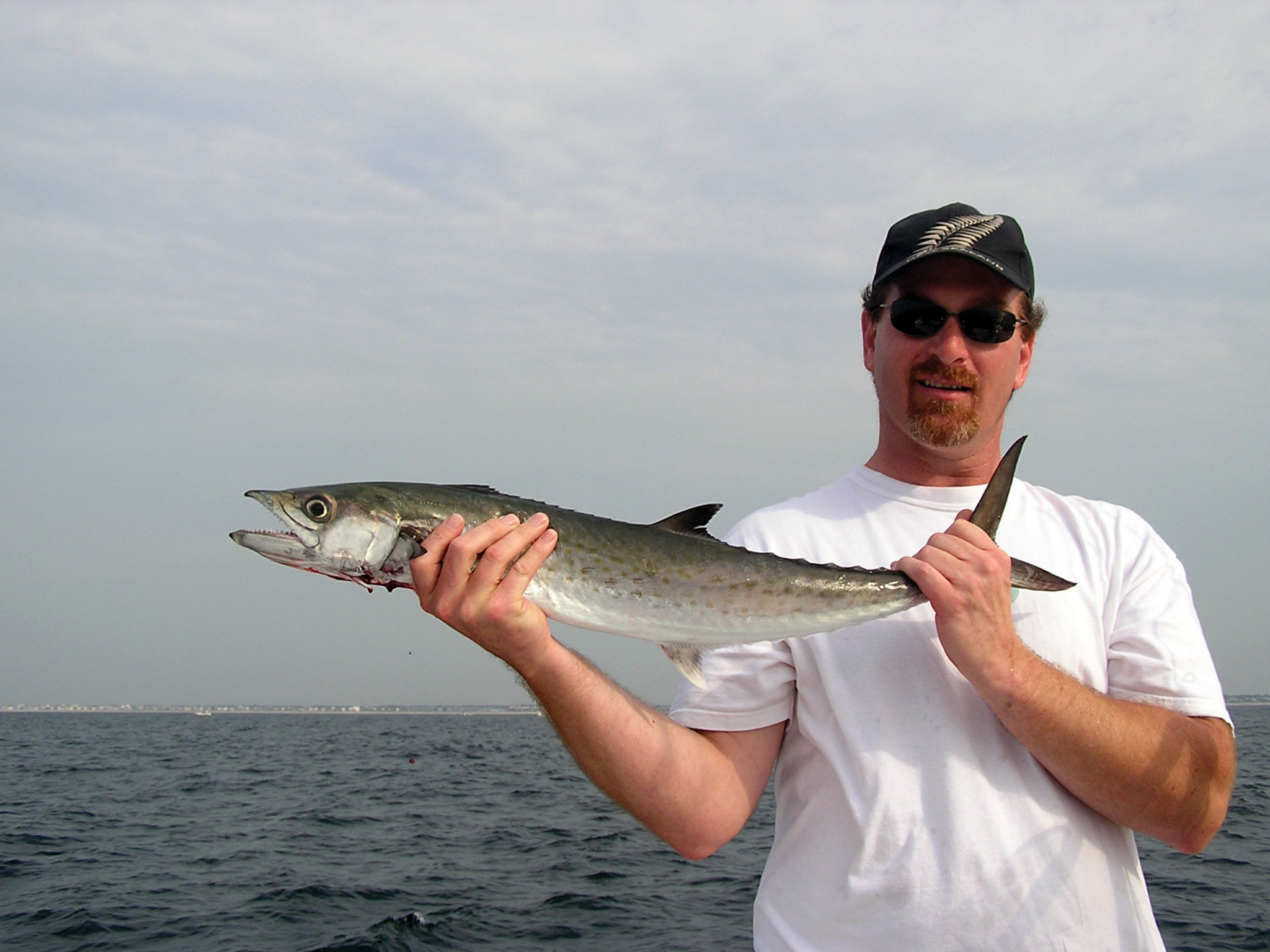
Alan King with a Spanish mackerel. Credit: Captain Walter Bateman -
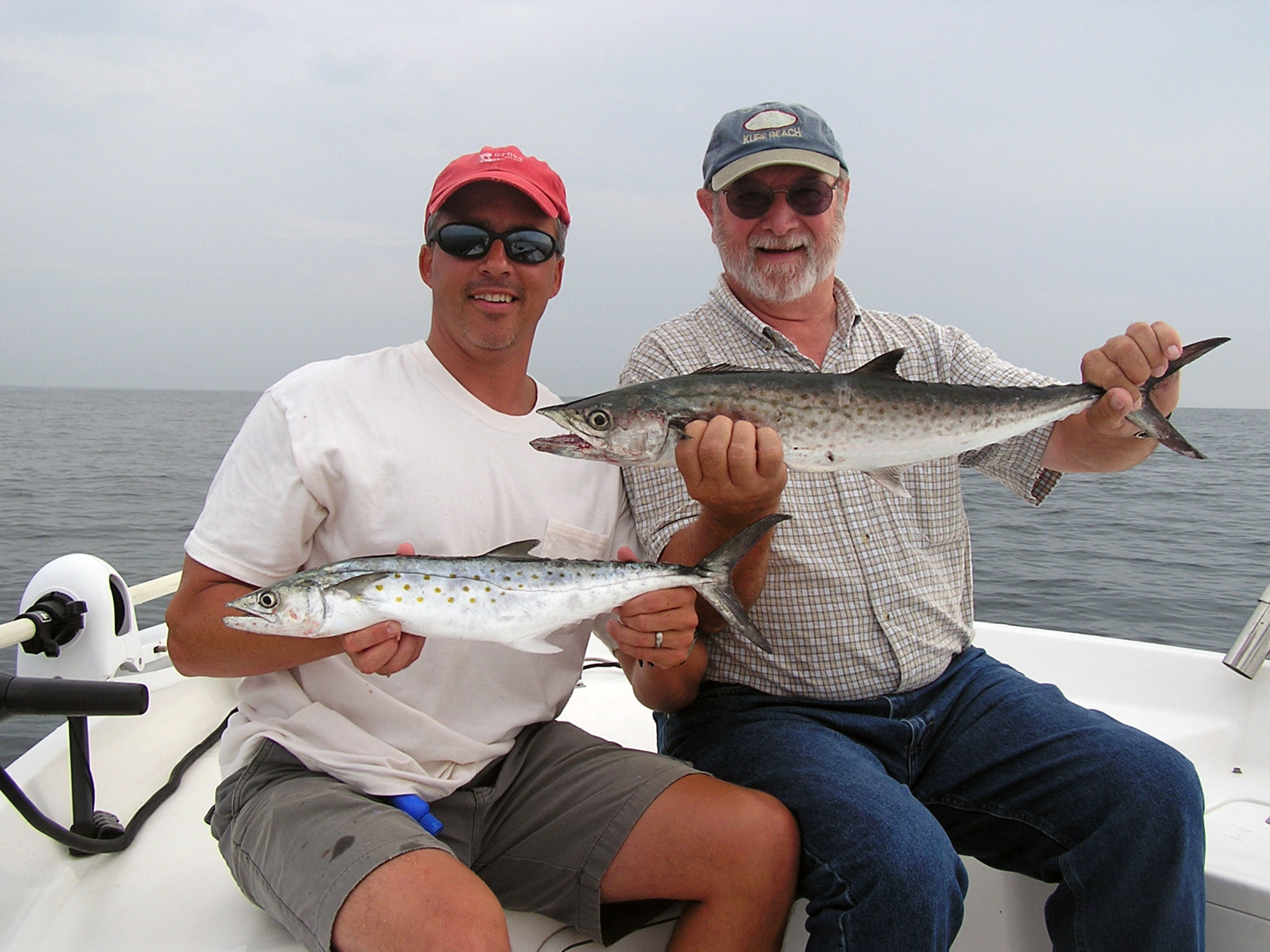
Spanish mackerel. Credit: Captain Walter Bateman -
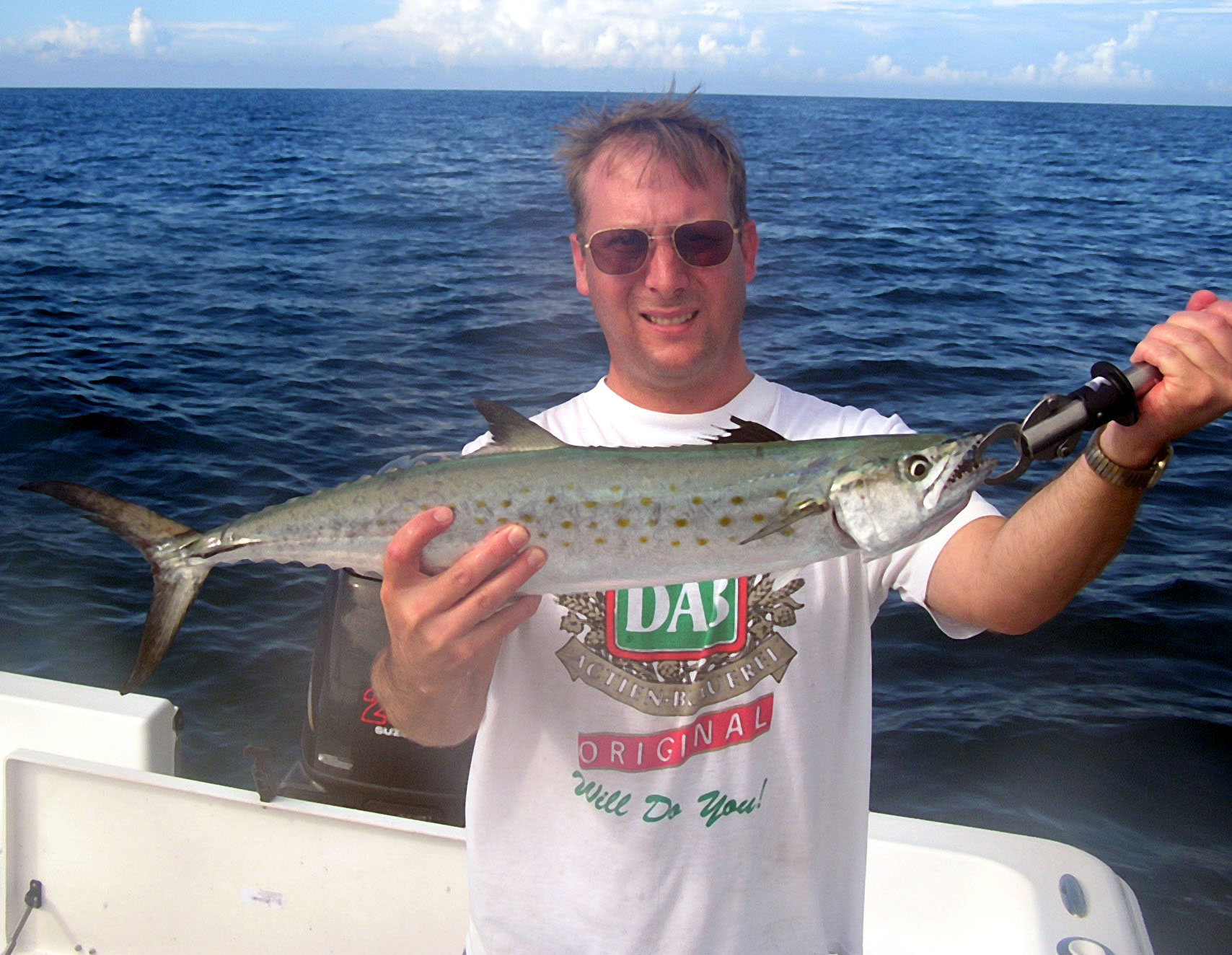
Spanish mackerel. Credit: Captain Walter Bateman -
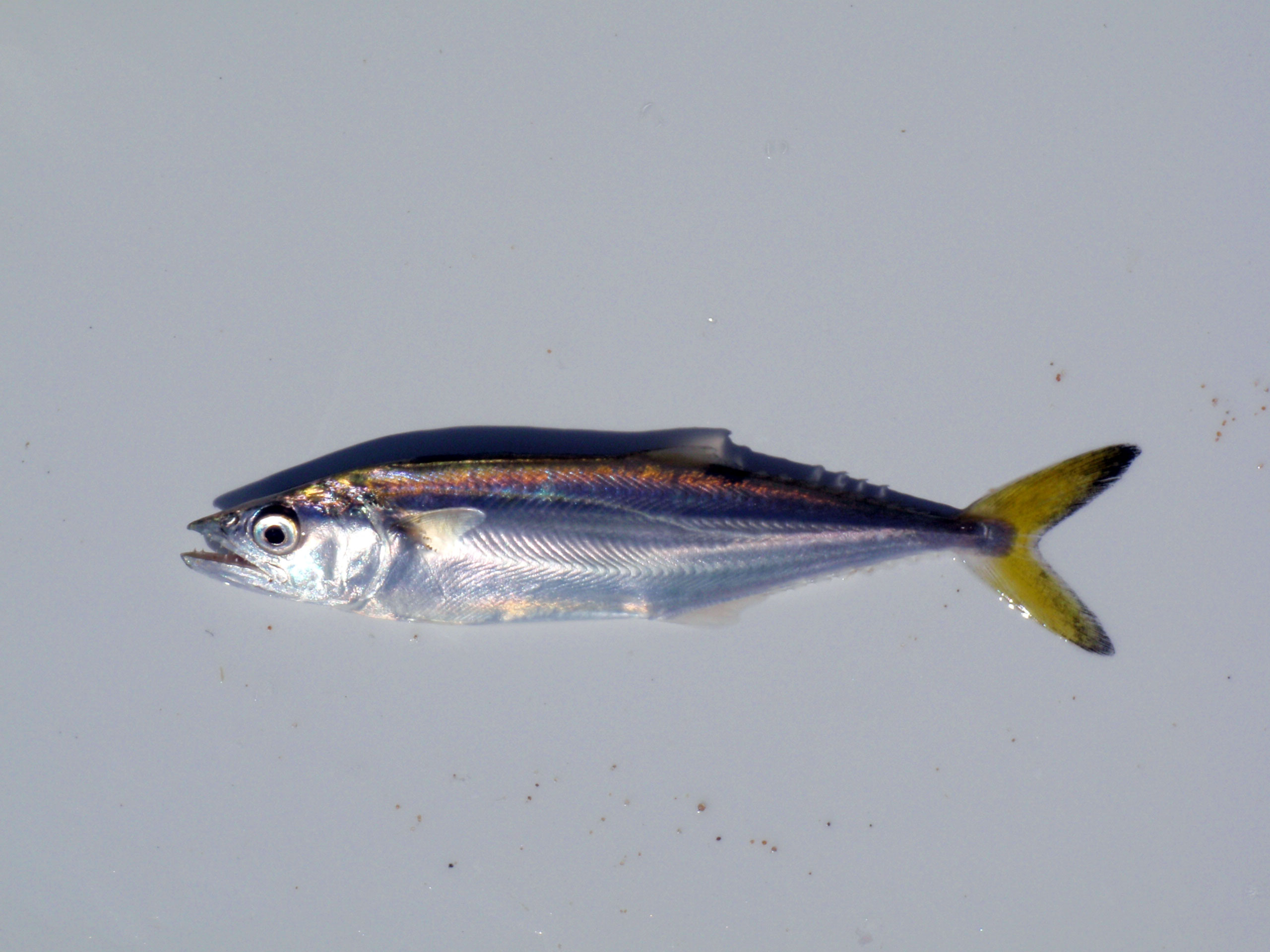
Spanish mackerel from the Delaware River Seine Survey. Credit: New Jersey Department of Environmental Protection.
Meeting Calendar
Next Meeting
No events found
Contacts
- Emilie Franke, FMP Coordinator (EFranke@asmfc.org)
- Management Board, Erika Burgess, Chair
- South Atlantic Species Advisory Panel, Craig Freeman, Chair
Species Information
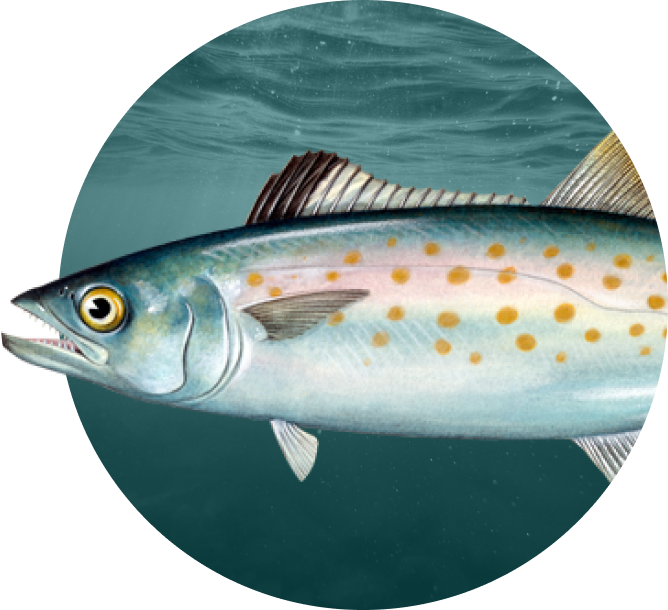
Spanish mackerel are fast-swimming fish found along the eastern US and Gulf coasts. Known for forming large schools, they can move quickly from one area to another, making them exciting targets for anglers. These fish prefer open waters but are also found around reefs and estuaries. They can live up to 12 years and grow several pounds. Spanish mackerel migrate seasonally, staying near Florida in the winter and moving north in the spring and summer to spawn in places like Massachusetts and New York. Both commercial and recreational fisheries seek Spanish mackerel, with most catches coming from Florida and North Carolina. Managed with quotas, size limits, and seasonal regulations, Spanish mackerel populations are currently healthy, ensuring they remain a popular and sustainable choice for fishing communities.
Management
State waters management of Spanish mackerel along the Atlantic Coast is coordinated through the Commission’s Coastal Pelagics Management Board (formerly part of the South Atlantic State/Federal Fisheries Management Board). Management measures for Spanish mackerel include size limits, recreational bag limits, and commercial trip limits. The Commission’s Omnibus Amendment for Spot, Spotted Seatrout, and Spanish Mackerel was approved in 2011. Specific to Spanish mackerel, the Amendment includes commercial and recreational management measures, adaptive management measures, and a process for Board review and action in response to changes in the federal regulations. This allows for complementary management throughout the range of the species.
Addendum I (2013) established a pilot program to allow states to reduce the Spanish mackerel minimum size limit for the commercial pound net fishery to 11½ inches from July through September for the 2013 and 2014 fishing years. The Addendum responded to reports about the increased incidence of Spanish mackerel ¼ to ½ inch short of the 12-inch fork length minimum size limit in pound nets during the summer months. The program reduced dead discards of these shorter fish and was extended through the 2018 fishing season. After 2018, North Carolina, the only state to implement the reduced minimum size limit, stopped requesting approval of the program due to no further request from pound net fishermen to continue the program, and due to recent closures in federal waters.
Stock Status
Cooperative management by the Commission and the South Atlantic Fishery Management Council (SAFMC) has successfully rebuilt Spanish mackerel stocks after years of low biomass and increased fishing pressure during the 1980s and 1990s.
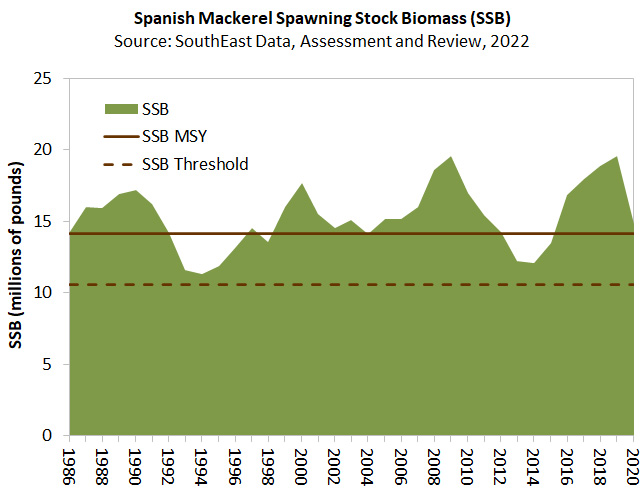
In 2012, Spanish mackerel was assessed and peer reviewed through the SouthEast Data, Assessment and Review (SEDAR). The results of the 2012 assessment (SEDAR 28) indicate that the stock is not overfished and it is not experiencing overfishing. In 2022, an operational assessment (i.e., update to the last assessment) was completed through the SEDAR process with data through 2020. This most recent assessment (SEDAR 78) indicates the same stock status: the stock is not overfished and it is not experiencing overfishing based on a three-year average of fishing mortality (2018-2022). However, in the terminal year of the assessment (2020), the model found the estimated fishing rate to be above the maximum fishing mortality threshold (MFMT) indicating that if the 2020 overfishing rate continues, the stock may fall into an overfishing status.
The next Spanish mackerel stock assessment is scheduled for 2027 through SEDAR.
Commercial & Recreational Fisheries
Spanish mackerel support significant recreational and commercial fisheries in South Atlantic waters and the species is gaining importance in the Mid-Atlantic. Many anglers target and catch Spanish mackerel to use whole fish as bait for big game fishing.

Total landings of Spanish mackerel in were an estimated 8.0 million pounds in calendar year 2023 and 8.2 million pounds in 2024. In 2023, 36% of landings were from the commercial fishery and 64% from the recreational fishery. In 2024, 33% of landings were from the commercial fishery and 67% from the recreational fishery.
Only three states, Florida, North Carolina, and Virginia, have directed commercial fisheries for Spanish mackerel. Coastwide commercial landings have generally been below 4 million pounds per year 1995. Coastwide commercial landings peaked in 2021 at 4.8 million pounds followed by a decrease to 2.4 million pounds in 2022, 2.8 million pounds in 2023, and 2.7 million pounds in 2024, with most landings occurring in Florida.
For the recreational fishery, coastwide recreational landings peaked in 2021 at 8.8 million pounds (7.3 million fish) followed by a decrease to 4.0 million pounds (4.0 million fish) in 2022, 5.2 million pounds (4.3 million fish) in 2023, and 5.5 million pounds (4.2 million fish) in 2024 . Though lower than the 2021 peak, 2023-2024 landings were above the ten-year average landings. The number of recreationally harvested fish appears to show a cyclical trend, with low harvest years interspersed with higher harvests. Florida and North Carolina have historically accounted for the majority of recreational landings in both number and weight.
Life History
A fast swimming fish, known to gather in large schools and travel great distances, Spanish mackerel (Scomberomorus maculatus) can be found throughout the coastal waters of the eastern US and the Gulf. Their migratory and schooling nature often frustrate anglers, as large congregations of fish can be found in an area one day and gone the next. Spanish mackerel prefer open water but are sometimes found over deep grass beds and reefs, as well as in shallow estuaries. They can live for up to 12 years. Females spawn by age two, releasing between half a million and 1.5 million eggs. Larvae grow quickly, reaching lengths of 12 to 15 inches in a year. Older fish may weigh several pounds. Along the Atlantic coast, Spanish mackerel range from the Florida Keys to New York, and occasionally as far north as New England. These fish winter off Florida, moving northward to North Carolina in early April and to New York in June. Later in the year, as waters cool, Spanish mackerel return to warm Florida waters. The South Atlantic stock along the Atlantic coast is distinct from the Gulf Spanish mackerel.
News & Resources
Explore recent news, management updates, and scientific reports to gain a deeper understanding of ongoing conservation efforts and sustainability strategies.
-
A summary of all the board meetings, press releases and motions from the 2026 Summer Meeting.
-
-
Consider 2027 Total Harvest Quota and Recreational Measures for Atlantic Cobia (C. Tuohy, A. Giuliano) Final Action; Progress Update on 2027 Stock Assessment for Atlantic Cobia (A. Giuliano); Consider Approval of Atlantic Cobia FMP Review and State Compliance for the 2025 Fishing Year (E. Franke) Action; Update from South Atlantic Fishery Management Council on Spanish…
-
Combined materials for all Boards convening at the ASMFC Summer Meeting
-
Consider 2027 Total Harvest Quota and Recreational Measures for Atlantic Cobia (C. Tuohy, A. Giuliano) Final Action; Progress Update on 2027 Stock Assessment for Atlantic Cobia (A. Giuliano); Consider Approval of Atlantic Cobia FMP Review and State Compliance for the 2025 Fishing Year (E. Franke) Action; Update from South Atlantic Fishery Management Council on Spanish…
-
Combined materials for all Boards convening at the ASMFC Spring Meeting
-
Combined supplemental materials for all Boards convening at the ASMFC Spring Meeting
-
-
The Coastal Pelagics Management Board of the Atlantic States Marine Fisheries Commission convened in the Jefferson Ballroom of the Westin Crystal City Hotel, Arlington, Virginia, via hybrid meeting, in-person and webinar; Wednesday, February 4, 2026, and was called to order at 10:00 a.m. by Chair Robert E. Beal.
-
-
A summary of all the board meetings, press releases and motions from the 2025 Annual Meeting.
-
Combined materials for all Boards convening at the ASMFC Spring Meeting
-
Review and Consider Approval of 2027 Atlantic Cobia Stock Assessment Terms of Reference (A. Giuliano); Review Next Steps and Timeline for Atlantic Cobia Management; Presentation of Specification Setting Process, Recreational Management Measures, and Confidence Interval Approach (E. Franke); Provide Guidance to Cobia Technical Committee on Upcoming Tasks If Needed; Consider Approval of Atlantic Cobia FMP…
-
The Coastal Pelagics Management Board of the Atlantic States Marine Fisheries Commission convened in the Capitol Ballroom via hybrid meeting, in-person and webinar; Tuesday, October 22, 2024, and was called to order at 12:30 p.m. by Chair Spud Woodward.
-
Get Hooked on ASMFC News
Dive into the latest updates and catch all the important news by joining our newsletter mailing list. Stay in the loop with meeting agendas, fisheries management news, and more.